
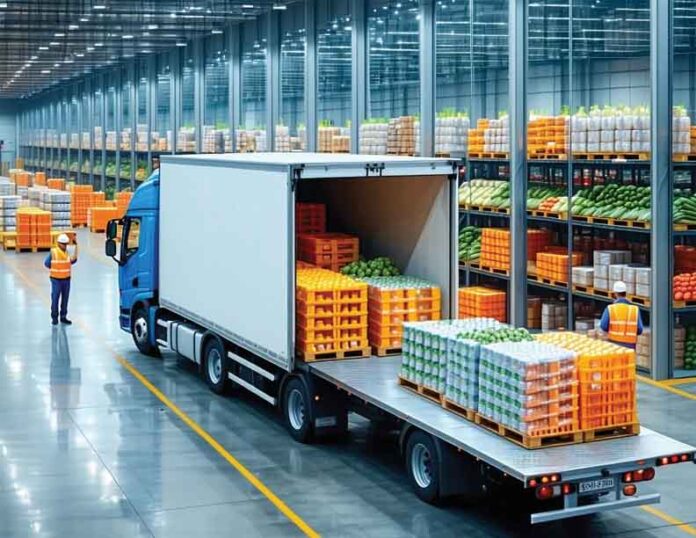
Modern supply chains depend heavily on climate-controlled environments to preserve the quality, safety, and performance of products during storage, transportation, and distribution. Climate control refers to the regulation of environmental conditions such as temperature, humidity, airflow, ventilation, and air quality. These parameters are particularly important for temperature-sensitive goods including food products, pharmaceuticals, biotechnology materials, chemicals, electronics, and agricultural commodities. As supply chains become increasingly globalized, products often travel thousands of kilometers before reaching consumers. Maintaining suitable environmental conditions throughout this journey is essential for reducing spoilage, preserving product value, and ensuring regulatory compliance.
Climate-controlled logistics has evolved from simple refrigerated storage to highly sophisticated environmental management systems. Modern facilities combine refrigeration technology, HVAC systems, sensors, automation platforms, and data analytics to create stable environments tailored to specific product requirements. These systems support product integrity while reducing waste, improving efficiency, and enhancing sustainability.
Understanding Climate Control in Supply Chains
Climate control encompasses much more than cooling. It involves the management of multiple environmental variables that directly affect product quality and shelf life. Temperature is often the most visible parameter, but humidity, ventilation, airflow, and contamination control are equally important. Effective climate control ensures that products remain within specified environmental limits from production through final delivery.
The concept is particularly important in cold chain logistics, where products must remain within narrow temperature ranges throughout the supply chain. However, climate control also applies to products that require specific humidity levels or clean-air conditions. For example, fresh produce requires both temperature and humidity control, while electronic components may require low humidity to prevent corrosion. Therefore, successful climate-controlled supply chains rely on integrated environmental management rather than refrigeration alone.
The Role of Refrigeration in Climate Control
Refrigeration is the foundation of climate-controlled logistics because it provides the cooling capacity required to maintain specified temperatures. Refrigeration systems remove heat from storage and transportation environments, enabling products to remain within safe and acceptable temperature ranges.
Most commercial and industrial facilities use vapour-compression refrigeration systems consisting of compressors, condensers, expansion devices, and evaporators. These systems are designed to provide reliable cooling under varying operational conditions. In climate-controlled environments, refrigeration systems are often integrated with HVAC equipment, humidity controls, and automated monitoring platforms. Together, these systems maintain precise environmental conditions that support product preservation and regulatory compliance.
The effectiveness of refrigeration directly influences product quality, operational efficiency, and customer satisfaction. Consequently, refrigeration remains one of the most critical technologies in climate-controlled supply chains.
Temperature Management
Temperature management is the primary objective of many climate-controlled operations. Different products require different storage temperatures. Frozen foods typically require temperatures below –18°C, while chilled products may require temperatures between 0°C and 8°C. Pharmaceutical products often require controlled storage between 2°C and 8°C, while certain biological materials require ultra-low temperatures.
Even minor temperature fluctuations can accelerate spoilage, reduce shelf life, and compromise product performance. As a result, organizations invest heavily in temperature monitoring, validation, and control systems. Temperature mapping studies help identify hot and cold spots within facilities, while automated monitoring systems provide real-time visibility into environmental conditions. These practices ensure consistent product protection throughout the supply chain.
Humidity Control and Moisture Management
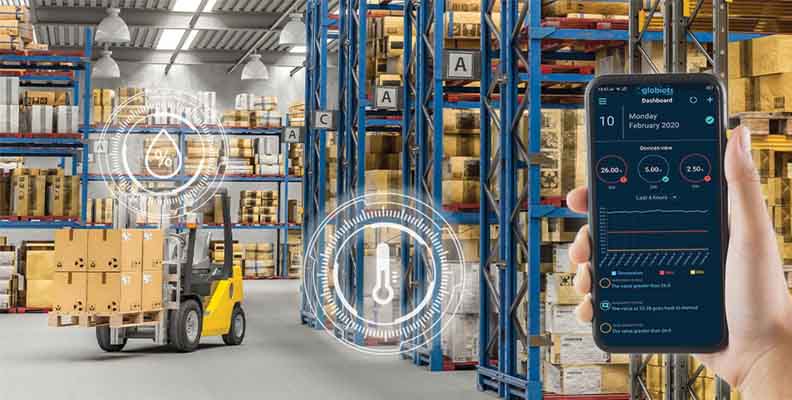
Humidity is a critical environmental factor that significantly affects product quality. Excessive humidity can promote microbial growth, mold formation, corrosion, and packaging damage. Conversely, low humidity can lead to dehydration, requiring high relative humidity levels to maintain freshness and minimize moisture loss. Pharshrinkage, and weight loss in certain products.
Fresh fruits and vegetables often pharmaceutical products, electronics, and precision equipment may require low-humidity environments to prevent degradation. Climate-controlled facilities therefore utilize humidification and dehumidification systems alongside refrigeration equipment. Advanced sensors continuously monitor humidity levels and adjust environmental controls as needed. Effective moisture management improves product stability, reduces waste, and enhances supply chain reliability.
Airflow, Ventilation, and Indoor Air Quality
Airflow and ventilation are essential components of climate control because they ensure uniform environmental conditions throughout storage and transportation spaces. Poor airflow can create temperature variations that compromise product quality. Effective air distribution helps maintain consistent conditions across all areas of a facility.
Ventilation systems also play a critical role in removing contaminants, odours, excess moisture, and airborne particles. In pharmaceutical and food-processing environments, air filtration systems help maintain cleanliness and reduce contamination risks. Modern climate-controlled facilities carefully design airflow patterns to optimize environmental performance while minimizing energy consumption.
Climate-Controlled Warehousing
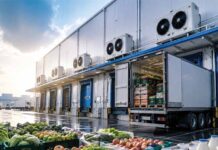
Climate-controlled warehouses are central to modern logistics networks. These facilities incorporate refrigeration systems, HVAC equipment, insulation, vapour barriers, ventilation systems, and automated control technologies. Their objective is to maintain stable environmental conditions while supporting efficient inventory management.
Advanced warehouses utilize building management systems that continuously monitor temperature, humidity, airflow, and energy usage. Automated storage and retrieval systems further improve efficiency by reducing unnecessary door openings and minimizing environmental disturbances. These technologies help maintain product quality while controlling operational costs.
Climate Control During Transportation
Transportation is often the most challenging phase of climate-controlled logistics because products are exposed to varying external conditions. Refrigerated trucks, shipping containers, railcars, and air cargo systems must maintain environmental stability despite weather changes, traffic delays, and operational disruptions.
Modern transportation systems employ advanced refrigeration units, high-performance insulation, and real-time monitoring technologies. GPS-enabled tracking systems allow operators to monitor environmental conditions remotely and respond quickly to deviations. These capabilities improve supply chain visibility and reduce the risk of product loss during transit.
Digital Technologies and Smart Monitoring
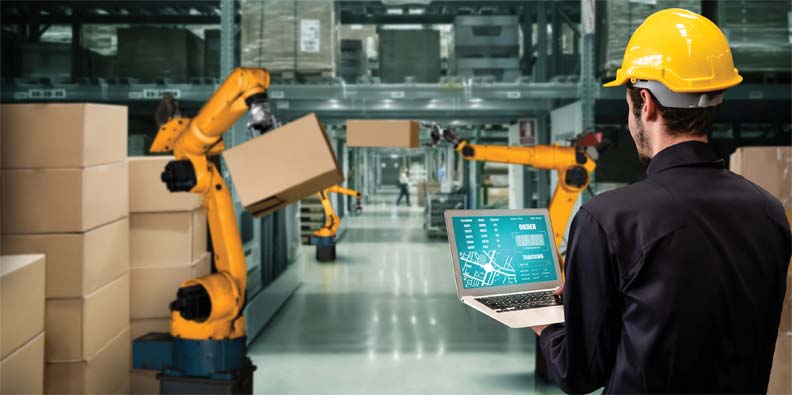
Digital transformation has significantly improved climate-controlled supply chain operations. Internet of Things sensors, wireless monitoring devices, cloud platforms, and advanced analytics provide real-time visibility into environmental conditions.
Operators can continuously monitor temperature, humidity, equipment performance, and energy consumption from centralized dashboards. Automated alerts notify personnel when conditions exceed acceptable limits. Predictive maintenance tools use operational data to identify potential equipment failures before they occur. These technologies improve reliability, reduce downtime, and enhance product protection.
Energy Efficiency and Sustainability
Climate control systems consume substantial amounts of energy, making efficiency a key consideration. Refrigeration equipment often represents the largest energy load within warehouses and transportation systems. Organizations therefore seek technologies that reduce energy consumption without compromising performance.
High-efficiency compressors, variable-speed drives, electronic controls, thermal energy storage systems, and improved insulation all contribute to lower energy usage. Heat recovery technologies further enhance efficiency by utilizing waste heat for other processes. Energy-efficient climate control reduces operating costs while supporting sustainability objectives.
Environmental Responsibility and Refrigerants
Environmental concerns have accelerated the transition toward sustainable climate control technologies. Many traditional refrigerants possess high global warming potential and are being replaced by environmentally friendly alternatives. Natural refrigerants such as ammonia, carbon dioxide, and hydrocarbons are increasingly used because of their favorable environmental characteristics.
Organizations are also integrating renewable energy sources, intelligent control systems, and low-carbon technologies into their operations. These initiatives reduce greenhouse gas emissions while maintaining the performance required for climate-controlled logistics.
Risk Management, Compliance, and Future Trends
Climate-controlled supply chains face numerous operational risks, including equipment failures, power outages, transportation delays, and extreme weather events. Effective risk management requires backup systems, contingency planning, preventive maintenance, and continuous monitoring.
Regulatory compliance is equally important. Food safety standards, pharmaceutical regulations, and international logistics requirements mandate strict environmental controls and documentation. Organizations must demonstrate that products have been maintained within specified environmental conditions throughout the supply chain.
Looking ahead, climate-controlled logistics will increasingly incorporate artificial intelligence, machine learning, digital twins, and autonomous systems. These technologies will optimize performance, improve sustainability, and enhance resilience. As climate change continues to influence global supply chains, robust climate control systems will become even more essential for protecting product quality and ensuring operational continuity.
Conclusion
Climate control has become a fundamental requirement for modern supply chain operations. By integrating refrigeration, humidity control, ventilation, monitoring technologies, and energy-efficient design, organizations can maintain product quality, reduce waste, and achieve regulatory compliance. Refrigeration remains the cornerstone of climate-controlled logistics, but effective environmental management requires a comprehensive approach that addresses all critical parameters. As technology advances and sustainability becomes increasingly important, climate-controlled supply chains will continue to evolve, supporting reliable, resilient, and efficient global commerce.

Dipanwita Samaddar is a Subject Matter Expert – HVAC from ZURU Tech India Pvt. Ltd.