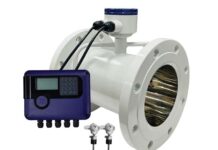


Temperature control is the cornerstone of Heating, Ventilation, and Air Conditioning (HVAC) systems. It ensures indoor environments remain comfortable, safe, and energy-efficient year-round. Whether in residential homes, commercial offices, hospitals, or industrial facilities, effective temperature control directly impacts occupant health, productivity, equipment longevity, and operational costs.
Understanding the Basics of HVAC Temperature Control
HVAC systems maintain indoor temperature by balancing heat gain and heat loss. The primary goal is to keep the space within a comfortable range – typically 20–26°C (68 –78°F) for most occupied buildings – while managing humidity and air quality.
Temperature control operates on three fundamental principles.
- Sensing: Measuring current room or zone temperature.
- Comparing: Checking the measured value against a desired setpoint.
- Actuating: Adjusting heating, cooling, or airflow to reach and maintain the setpoint.

This closed-loop feedback system is what makes modern HVAC responsive and efficient.
Key Components Involved in Temperature Control
Several components work together to achieve precise temperature regulation.
- Thermostats & Sensors: The ‘brain’ of the system. Modern thermostats use digital sensors (NTC thermistors, RTDs, or infrared) to detect temperature with ±0.5°C accuracy. Smart thermostats also monitor occupancy, humidity, and outdoor weather.
- Controllers: PID (Proportional-Integral-Derivative) controllers or microprocessor-based units compare sensor data with the setpoint and send signals to actuators.
- Actuators & Valves: Modulating valves on chilled water coils, dampers in air ducts, or variable-speed compressors adjust output.
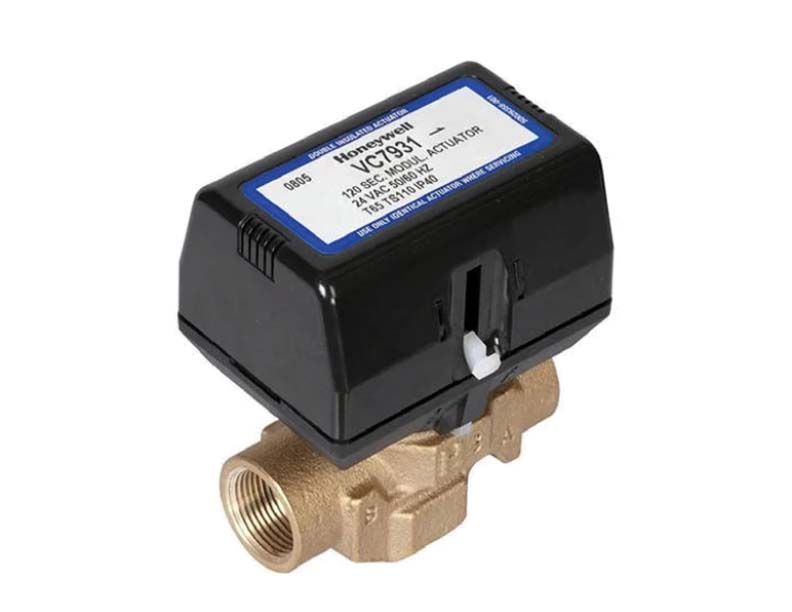
- Heating/Cooling Sources: Heating: Gas/electric furnaces, heat pumps, boilers, or radiant panels.
- Cooling: Compressors (in DX systems), chilled water plants, or evaporative coolers.
- Air Distribution: Fans, blowers, and variable air volume (VAV) boxes that control airflow to different zones.
Principles of Temperature Control in HVAC Systems
- Thermostats: Thermostats are key components used to monitor and control temperatures within a specified range. They sense temperature variations and signal the HVAC system to adjust heating or cooling output accordingly.
- Zoning: Zoning systems divide a building into different zones with separate temperature controls. This enables customized temperature settings for different areas based on occupancy patterns and preferences.
- Proportional Integral Derivative (PID) Control: PID control algorithms are used to regulate temperature by calculating and adjusting the output of heating or cooling systems based on continuous feedback signals.
How Different HVAC Systems Achieve Temperature Control in Split & Packaged DX Systems
Direct expansion coils cool air; thermostat controls compressor cycling.
- Chilled Water Systems: Central plant produces chilled water (typically 7–120C) distributed to Air Handling Units (AHUs). Temperature is controlled via chilled water valves.
- Heat Pumps: Reverse-cycle systems that provide both heating and cooling efficiently.
- Radiant Systems: Floor/ceiling panels or chilled beams offer silent, even temperature control with minimal air movement.
- Hybrid Systems: Combine mechanical cooling with free cooling (economizers) when outdoor temperature allows.
Modern Advancements in Temperature Control
Recent innovations have transformed HVAC temperature management.
- Smart & IoT-Enabled Thermostats: Devices like Nest, Ecobee, or commercial BACnet systems learn user patterns, integrate with weather forecasts, and enable remote control via mobile apps.
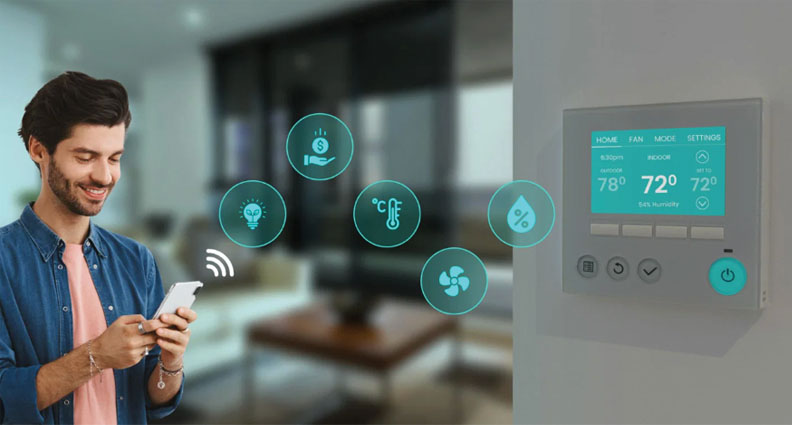
- Artificial Intelligence & Machine Learning: Predictive algorithms anticipate occupancy and weather changes to pre-cool or pre-heat spaces, reducing energy spikes by 15–30%.
- Building Management Systems (BMS): Centralized platforms integrate HVAC with lighting, security, and fire systems for holistic control.
- Wireless Sensors & Cloud Analytics: Real-time data from hundreds of sensors allows fine-tuned control and fault detection.
Challenges in Temperature Control
- Thermal Lag: Buildings take time to heat or cool, leading to overshoot or undershoot.
- Zoning Complexity: Large buildings have varying loads (sun-facing vs. shaded sides, different occupancy).
- Energy Efficiency vs. Comfort Trade-off: Aggressive temperature setbacks can cause discomfort.
- Maintenance Issues: Dirty coils, faulty sensors, or refrigerant leaks degrade control accuracy.
- Climate Change Impact: Rising outdoor temperatures increase cooling loads and strain systems.
Wireless Sensors & Cloud Analytics: Real-time data from hundreds of sensors allows fine-tuned control and fault detection.
Best Practices for Effective Temperature Control
- Proper System Sizing: Oversized units cycle too frequently; undersized units run constantly. Use Manual J (residential) or ASHRAE standards for accurate load calculation.
- Regular Maintenance: Clean filters, coils, and calibrate sensors every 3–6 months.
- Zoning & Setback Strategies: Lower temperature during unoccupied hours (e.g., 4–60C setback at night).
- Integration with Building Envelope: Good insulation, shading, and airtightness reduce HVAC workload.
- Energy Monitoring: Install sub-meters and use analytics to identify inefficiencies.
- Occupant Education: Simple guidelines (e.g., keep doors closed, use blinds) improve overall performance.
The Future of HVAC Temperature Control
- The industry is moving toward net-zero buildings with: Electrification (heat pumps replacing gas systems)
- Renewable integration (solar-powered HVAC)
- Digital twins for virtual simulation and optimization
- Adaptive comfort models that adjust temperature based on humidity, air velocity, and personal factors
According to industry reports, buildings account for nearly 40% of global energy consumption, with HVAC responsible for about half of that. Better temperature control alone can reduce a building’s energy use by 20–40% while improving indoor environmental quality.

Aman Taluja is the Operations Head at Brightflow Engineers Pvt. Ltd. With hands-on experience in executing complex commercial and industrial projects, he specializes in delivering practical, performance-oriented HVAC solutions. At Brightflow, the focus is on the design, manufacturing, and execution of Air Handling Units (AHUs), Air Washers, Ventilation Systems, and Air Quality Solutions, catering to a wide range of industries including hospitality, manufacturing, healthcare, and infrastructure.